Guffaw: A Typeface with Retro Soul and Modern Spark
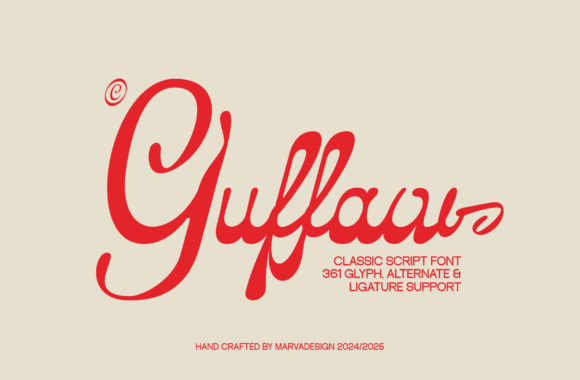
In a digital landscape saturated with sterile sans-serifs, finding a typeface with genuine personality can feel like striking gold. The Guffaw font is one such discovery, offering a lively, expressive handwritten script style that immediately injects retro charm and groovy aesthetics into any project. Its fluid strokes and organic letterforms exude a playful nostalgia, making it a powerful tool for designers seeking a vintage yet vibrant look.
Understanding the Guffaw Aesthetic
Guffaw isn't just a font; it's a design statement. It masterfully combines classic typographic influences with a modern edge, crafting a distinctive personality that feels both timeless and fresh. This balance is crucial in contemporary graphic design, where brands strive for authenticity and emotional connection. The typeface's dynamic character makes it ideal for projects that desire a unique blend of retro and contemporary elements, enhancing creative works with its engaging visual flair.
Practical Applications in Design Projects
The expressive nature of Guffaw lends itself to a wide array of applications, particularly where a human touch and memorable impression are paramount. Its utility spans across multiple facets of visual communication and branding.
- Branding and Logo Design: Use Guffaw to craft logos and brand marks that feel approachable, energetic, and distinct. It excels for artisanal brands, boutique shops, creative studios, or any identity aiming for a handcrafted, authentic vibe.
- Marketing and Social Media Graphics: Captivate audiences in crowded feeds. The font's playful aesthetic makes headlines, quotes, and call-to-action text pop, improving engagement in digital marketing materials and social media content.
- Packaging and Editorial Design: On physical products, Guffaw adds a tactile, nostalgic quality that can enhance shelf appeal. In editorial layouts, it provides striking contrast to body text, perfect for pull quotes, chapter titles, or feature story headers.
- Web and UI Design: While not for body copy, Guffaw can be strategically used in hero sections, banner text, or decorative elements within a website or app to guide the user's eye and inject personality into the user interface.
Tips for Effective Typographic Integration
Integrating a distinctive display font like Guffaw requires thoughtful consideration to maintain professionalism and clarity. Here are key factors for evaluation and use:
Prioritize Readability and Context: Always test the font at the intended size and on the target medium. Ensure it remains legible, especially in shorter phrases. Its expressive style is best used for headlines, logos, or accents rather than lengthy paragraphs.
Maintain Visual Hierarchy: Pair Guffaw with a simpler, complementary typeface for body text. This contrast creates a clear hierarchy, allowing the playful script to command attention where it matters most without overwhelming the viewer.
Align with Brand Voice: The groovy, retro charm of Guffaw should resonate with your brand's core message and audience expectations. It's perfect for brands that are fun, creative, nostalgic, or artisanal. For more formal or corporate identities, it may need careful, limited application.
Consider Scalability and Color: Evaluate how the font's details render at various sizes and in different color palettes. Its fluid strokes can interact beautifully with a well-chosen color scheme, reinforcing the desired mood and enhancing the overall color palette harmony.
Elevating Communication Through Thoughtful Typography
The choice of typography is a fundamental pillar of effective visual design. A typeface like Guffaw demonstrates how a well-selected font can do more than just display words—it can evoke emotion, establish tone, and build a stronger brand identity. By strategically incorporating high-quality creative assets that align with your design goals, you move beyond mere decoration to create cohesive, impactful, and professional presentations that truly resonate with your audience and elevate the entire design workflow.